Coffee appears deceptively simple when it reaches the cup. A dark, fragrant liquid sits beneath a layer of crema or glistens inside a filter server, ready to be enjoyed. Yet that final beverage represents a remarkably long chain of agricultural decisions, scientific transformations, skilled craftsmanship, and precise brewing choices.

The story of coffee brewing does not actually begin with a grinder or espresso machine. It begins with a coffee tree.
From a small flower developing into a coffee cherry to the careful transformation of its seed into a roasted bean, every stage influences what eventually appears in the cup. Brewing is the final opportunity to reveal that accumulated potential. It can emphasize sweetness, clarify acidity, increase body, or expose flaws created earlier in the coffee's journey.
For professional coffee practitioners, understanding this complete journey is fundamental. Brewing cannot be separated from cultivation, processing, roasting, grinding, water chemistry, or extraction. The cup is the final chapter of a much longer story.
The grind size for each cup of coffee depends primarily on the brewing method, because different extraction times and water-flow rates require different particle sizes. A coffee grind size chart provides a useful reference for matching grind settings with common brewing techniques.
For espresso, a fine grind is essential because water passes through the compact coffee bed under pressure for a short period. Drip coffee generally requires a medium grind, which provides balanced extraction as water passes through the grounds gradually. Pour-over coffee commonly uses a medium to medium-fine grind, although the ideal setting varies with the brewer and pouring technique.
French press coffee requires a coarse grind because the grounds steep in water for several minutes. A coarse setting reduces excessive extraction and makes it easier to separate the grounds with the metal filter. Cold brew, which typically steeps for 12–24 hours, usually benefits from an even coarser grind to control extraction and reduce sediment. AeroPress is more flexible, commonly using a medium to medium-fine grind depending on the recipe and brewing time.
A coffee grind size chart helps establish a starting point, but adjustments should be based on taste. Finer grinds generally accelerate extraction, while coarser grinds slow it down, allowing brewers to fine-tune each cup for balance, sweetness, and clarity.
The Journey Begins With the Coffee Cherry
Coffee starts as a fruit.
The coffee tree produces small flowers that eventually develop into cherries. Inside each ripe cherry are usually two seeds, which become what we commonly call coffee beans after processing.
The character of these seeds is influenced by numerous environmental factors, including:
Variety Altitude Temperature Rainfall Soil Shade Agricultural practices Ripening speed
These variables establish the raw material that farmers and coffee professionals work with later.
A coffee grown at high altitude may develop a different balance of organic acids and sugars from one grown in a warmer environment. Likewise, different varieties can possess dramatically different genetic and sensory characteristics.
The brewer therefore begins with decisions that were made long before the coffee reached the café.
Harvesting: Selecting the Potential
Harvesting is the first major quality-control stage.
Coffee cherries do not necessarily ripen simultaneously. A single branch may contain green, yellow, orange, and deep-red fruit at the same time.
For specialty coffee, selective harvesting is often preferred because ripe cherries generally provide the best combination of sugar, acidity, and flavor precursors.
Harvesters may return to the same plants repeatedly, collecting cherries only when they reach the desired maturity.
This process is labor-intensive, but it protects cup quality.
Poor harvesting can introduce unripe or damaged cherries that later contribute undesirable vegetal, fermented, or astringent characteristics.
Processing: Transforming Fruit Into Green Coffee
Once harvested, coffee cherries must be processed.
This is one of the most influential stages in the journey from farm to cup because the processing method can dramatically alter the coffee's sensory profile.
Washed Processing
In washed processing, the outer fruit is mechanically removed before the coffee undergoes fermentation and washing.
The resulting coffees are often associated with:
High flavor clarity Defined acidity Floral aromas Clean finishes
The process can allow the characteristics of variety and growing environment to become particularly transparent.
Natural Processing
Natural processing leaves the coffee cherry intact while it dries.
As the fruit gradually loses moisture, fermentation and biochemical activity influence the developing coffee.
Natural coffees can exhibit:
Intense sweetness Berry-like flavors Tropical fruit Heavy body Complex aromatics Honey Processing
Honey processing removes the outer skin while leaving some mucilage attached to the coffee during drying.
It occupies an interesting middle ground between washed and natural methods, often producing coffees with substantial sweetness and balanced body.
Modern producers have also developed increasingly sophisticated fermentation techniques, including anaerobic and yeast-assisted processes. These methods demonstrate how processing has evolved from a purely functional activity into a deliberate form of flavor development.

Drying: The Quiet Guardian of Quality
After processing, coffee must be dried carefully.
The objective is to reduce moisture to a stable level suitable for storage without damaging the seed.
Drying may take place on:
Raised beds Patios Mechanical dryers Specialized drying structures
The speed of drying matters. Excessively rapid drying can affect quality, while prolonged exposure to moisture can encourage undesirable microbial activity.
Even drying is equally important. Coffee beans that dry unevenly can develop inconsistent characteristics that become noticeable after roasting.
This stage may appear less glamorous than harvesting or brewing, but it is essential to preserving the coffee's potential.
Green Coffee: A Seed Waiting for Transformation
After drying and milling, coffee enters the green-bean stage.
At this point, the beans do not resemble the coffee familiar to most consumers. They are dense, hard, and generally green or blue-green in appearance.
Green coffee contains many compounds that will later participate in roasting, including carbohydrates, proteins, lipids, organic acids, and other chemical precursors.
But these compounds are not yet arranged into the familiar flavor profile of roasted coffee.
That transformation comes next.
Roasting: Creating the Aromatic Coffee We Know
Roasting is where green coffee undergoes a dramatic physical and chemical transformation.
Heat causes moisture to evaporate and triggers complex reactions involving sugars, amino acids, acids, and other compounds.
Among the most important processes are the Maillard reaction, caramelization, and thermal degradation.
During roasting:
Beans become brown Moisture decreases Structure becomes more porous Aromatic compounds develop Acidity changes Sugars transform The bean expands Carbon dioxide is generated
Roasting therefore does far more than darken coffee.
It determines which aspects of the green bean become dominant in the final cup.
Light Roasting
Lighter roasting can preserve more origin character, producing coffees with prominent acidity, floral aromas, fruit characteristics, and delicate sweetness.
Medium Roasting
Medium roasting can create a balance between origin character and roast development, often emphasizing caramel, chocolate, nuts, and balanced acidity.
Dark Roasting
Dark roasting emphasizes roast-derived characteristics such as toasted, smoky, and bitter flavors while generally reducing the visibility of delicate origin characteristics.
There is no universally superior roast level. The appropriate profile depends on the coffee and the desired sensory result.
Resting: Giving Roasted Coffee Time
Immediately after roasting, this gas gradually escapes from the beans in a process commonly called degassing.
Brewing coffee too soon after roasting can sometimes produce unstable extraction and excessive gas interference.
Resting allows the coffee to become more chemically and physically suitable for brewing.
The ideal resting period varies according to roast profile, processing method, bean structure, and brewing method.
Espresso often benefits from a different resting strategy than filter coffee because pressure-based extraction responds differently to the presence of trapped gas.
Grinding: Creating the Gateway to Extraction
Grinding is where roasted coffee becomes physically prepared for brewing.
A whole coffee bean has relatively little surface area exposed to water. Grinding breaks it into particles, dramatically increasing the available surface area.
This makes extraction possible—but it also makes coffee vulnerable.
Once ground, coffee loses volatile aromas more quickly because far more surface area is exposed to air.
Grinding immediately before brewing is therefore one of the most effective ways to preserve aromatic complexity.
Grind Size
Grind size determines how easily water moves through the coffee and how quickly soluble compounds become available.
A coarse grind generally allows slower extraction from each particle, while a fine grind increases surface area and can accelerate extraction.
However, grind size cannot be considered independently from brewing time, water temperature, dose, and equipment.
The goal is not to find a universally "correct" grind size. The goal is to produce the desired extraction for a particular brewing system.
Water: The Often-Overlooked Ingredient
Coffee is mostly water.
Consequently, water quality has an enormous influence on the final beverage.
Water contains minerals that interact with coffee compounds during extraction. Calcium and magnesium, for example, can influence the extraction of flavor compounds.
Water that is extremely soft may produce a thin or muted cup. Water with excessive mineral content can produce harshness, scale equipment, or suppress desirable flavors.
Professional brewing therefore treats water as an ingredient rather than an invisible utility.
Important variables include:
Mineral composition Alkalinity Hardness Temperature Purity
Good coffee requires water capable of extracting desirable compounds without introducing distracting flavors.
Brewing: The Moment Everything Comes Together
Brewing is the point where all previous stages converge.
Hot water contacts ground coffee and begins dissolving soluble compounds. The brewer's task is to control that interaction.
Different brewing methods manipulate extraction in different ways.
Pour-Over
Pour-over brewing allows precise control over water distribution, flow rate, and contact time.
It is particularly effective for coffees where clarity and aromatic detail are important.
French Press
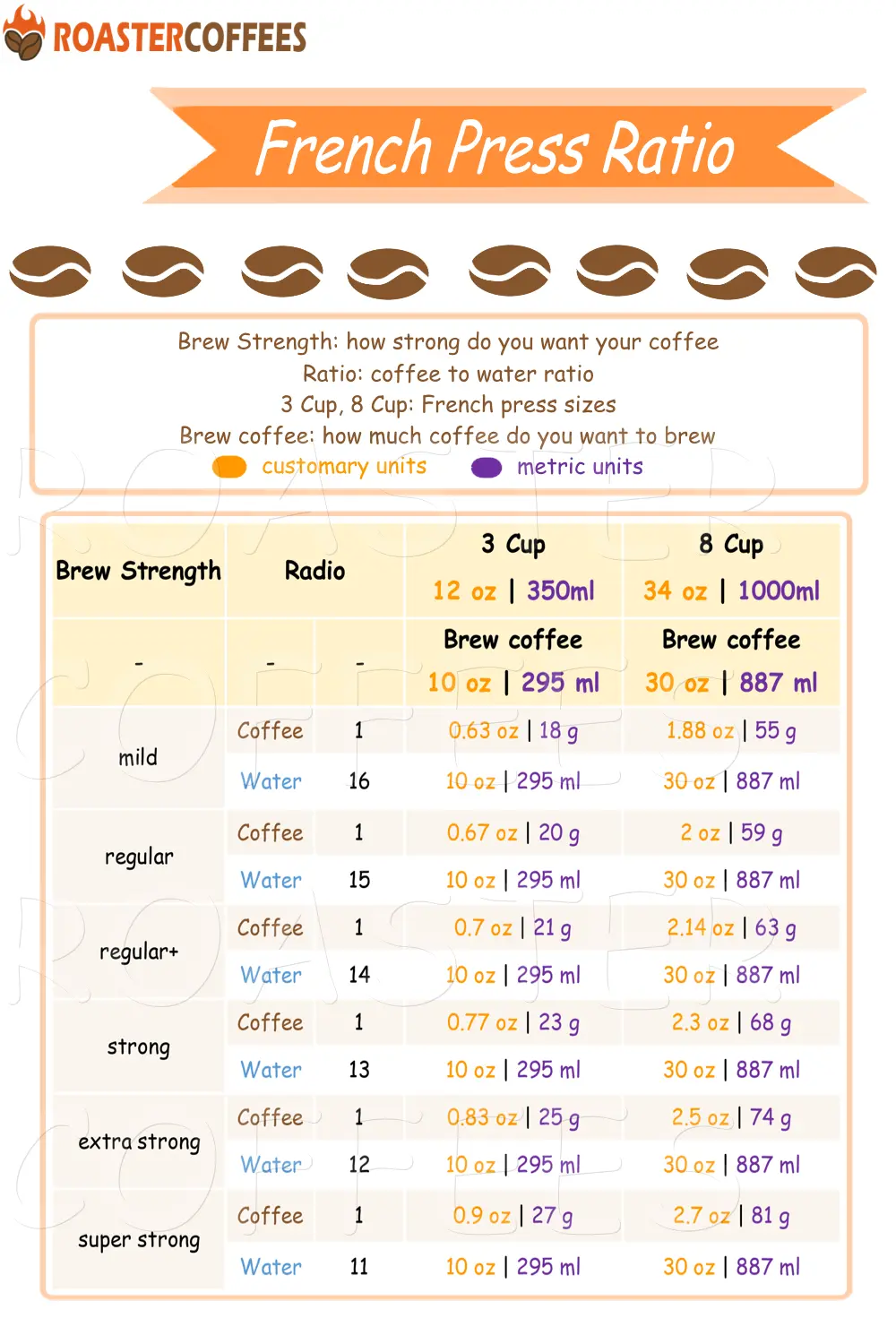
French press brewing uses immersion. Coffee grounds remain surrounded by water for an extended period before filtration.
The method generally produces a fuller-bodied beverage and can preserve more oils and suspended particles.
Espresso
Espresso uses finely ground coffee, pressure, and a relatively short extraction period.
Because the brewing window is compact, small changes in grind size, dose, distribution, and extraction time can have significant effects.
AeroPress
AeroPress brewing combines immersion, filtration, and pressure in a compact system. Its flexibility allows practitioners to manipulate variables creatively.
Each method tells a different version of the same coffee's story.
Extraction: Finding the Balance
Brewing is ultimately an exercise in extraction.
Coffee contains hundreds of soluble compounds, but they do not dissolve at identical rates.
Early extraction tends to reveal bright, acidic and aromatic compounds. Excessive extraction can eventually produce harsh, bitter, or drying sensations.
This does not mean that every coffee should be extracted to exactly the same degree.
Different coffees respond differently because their cellular structures, roast levels, processing histories, and chemical compositions vary.
Professional brewing therefore relies on sensory analysis rather than numbers alone.
A refractometer can provide useful information, but the cup remains the final judge.
The caffeine content in each cup of coffee can vary significantly depending on the coffee bean, brewing method, serving size, and preparation technique. An average 8-ounce (240 ml) cup of brewed drip coffee generally contains approximately 80–120 mg of caffeine. A French press serving of the same volume may contain around 80–120 mg, although longer immersion can produce higher levels depending on the coffee dose and extraction time.
Espresso is more concentrated, with approximately 60–75 mg of caffeine per 1-ounce shot. A double espresso can therefore contain roughly 120–150 mg. Cold brew may contain 100–200 mg per 8-ounce serving, particularly when prepared as a concentrate and only lightly diluted. Instant coffee is usually lower, often providing approximately 60–80 mg per 8-ounce cup.
Coffee bean variety also matters. Robusta beans naturally contain considerably more caffeine than Arabica, while roast level has a relatively modest effect on total caffeine. Larger cups can contain substantially more caffeine simply because they use more coffee grounds.
Because these values vary by recipe and preparation, a caffeine calculator can provide a useful estimate. By considering bean type, coffee dose, brewing method, and serving size, a caffeine calculator helps coffee drinkers compare different cups and better understand their caffeine intake.
Temperature, Time, and Flow
Three variables are particularly important during brewing: temperature, time, and water movement.
Temperature
Hotter water generally increases extraction speed. Cooler water extracts more slowly.
The appropriate temperature depends on roast level and desired flavor.
Time
Longer contact generally allows more compounds to dissolve.
But time must be considered together with grind size and flow.
Flow
Water movement determines how evenly the coffee bed is exposed.
Uneven flow can create localized over-extraction and under-extraction simultaneously.
This is why distribution, agitation, and pouring technique matter so much in manual brewing.
The Role of the Barista
The barista is not simply operating equipment.
A skilled coffee professional interprets the coffee and adjusts the brewing process accordingly.
For example, a coffee may taste:
Sour and thin → potentially under-extracted Bitter and drying → potentially over-extracted Flat → potentially lacking extraction or freshness Unbalanced → potentially requiring changes to several variables
The professional response is not to change everything simultaneously.
Instead, the barista isolates variables and makes controlled adjustments.
This approach transforms brewing from guesswork into a repeatable technical process.
The Final Cup: More Than the Sum of Its Parts
When brewing is successful, the final cup can reveal characteristics established months or even years earlier.
A floral note may reflect genetics and altitude.
Fruit sweetness may be influenced by variety, ripeness, processing, and roasting.
Body can be shaped by processing, roast development, grinding, and brewing method.
Acidity reflects both the coffee's inherent chemistry and the way it has been extracted.
The cup is therefore a record of the entire production chain.
How Professionals Evaluate a Brew
Coffee professionals evaluate more than whether a beverage tastes "good."
They consider:
Aroma Acidity Sweetness Body Flavor clarity Balance Aftertaste Uniformity Overall structure
Sensory evaluation helps determine whether the brewing process has successfully expressed the coffee's potential.
It also provides information for future adjustments.
A coffee with wonderful sweetness but excessive bitterness may need a different extraction approach. A coffee with excellent aroma but weak body might require a change in grind, ratio, or brewing method.
Every cup becomes feedback.
From Agricultural Product to Sensory Experience
The journey from bean to brew demonstrates why coffee is such a fascinating agricultural product.
A coffee farmer controls cultivation and harvesting.
A processing team shapes fermentation and drying.
A mill prepares the green coffee.
A roaster determines how its chemical potential is developed.
A barista controls extraction.
Finally, the consumer completes the process through tasting and interpretation.
Each participant contributes to the final result.
This interconnected system means that coffee quality cannot be attributed to one person or one stage alone.
The Future of Coffee Brewing
Coffee brewing continues to evolve as technology, science, and consumer expectations develop.
Modern professionals increasingly use:
Precision grinders Digital scales Advanced espresso machines Refractometers Automated brewers Water filtration systems Detailed extraction records
At the same time, traditional methods remain remarkably relevant.
A simple pour-over or French press can produce exceptional coffee when the practitioner understands the underlying principles.
Technology can improve consistency, but knowledge remains the foundation.
Conclusion
The story of coffee brewing is much larger than the moment hot water meets ground coffee.
It begins with a flowering coffee tree and continues through cultivation, harvesting, processing, drying, milling, roasting, resting, grinding, water preparation, and extraction. Each stage adds another layer to the final sensory experience.
For coffee professionals, this perspective changes the way a cup is approached. A brew is no longer simply a beverage prepared according to a recipe. It is the culmination of an agricultural and technical journey.
The most rewarding aspect of coffee is perhaps this continuity. The farmer's decisions, the producer's processing methods, the roaster's profile, the grinder's precision, and the barista's technique all meet in a single cup.
From bean to brew, coffee carries a story of transformation.
And when every stage is respected, the final cup does something remarkable: it makes an entire chain of human effort, natural processes, and scientific craftsmanship perceptible in a few ounces of coffee.
References:
The Allure of Affogato: A Perfect Union of Coffee and Dessert
Understanding the Enduring Charm of the Americano